

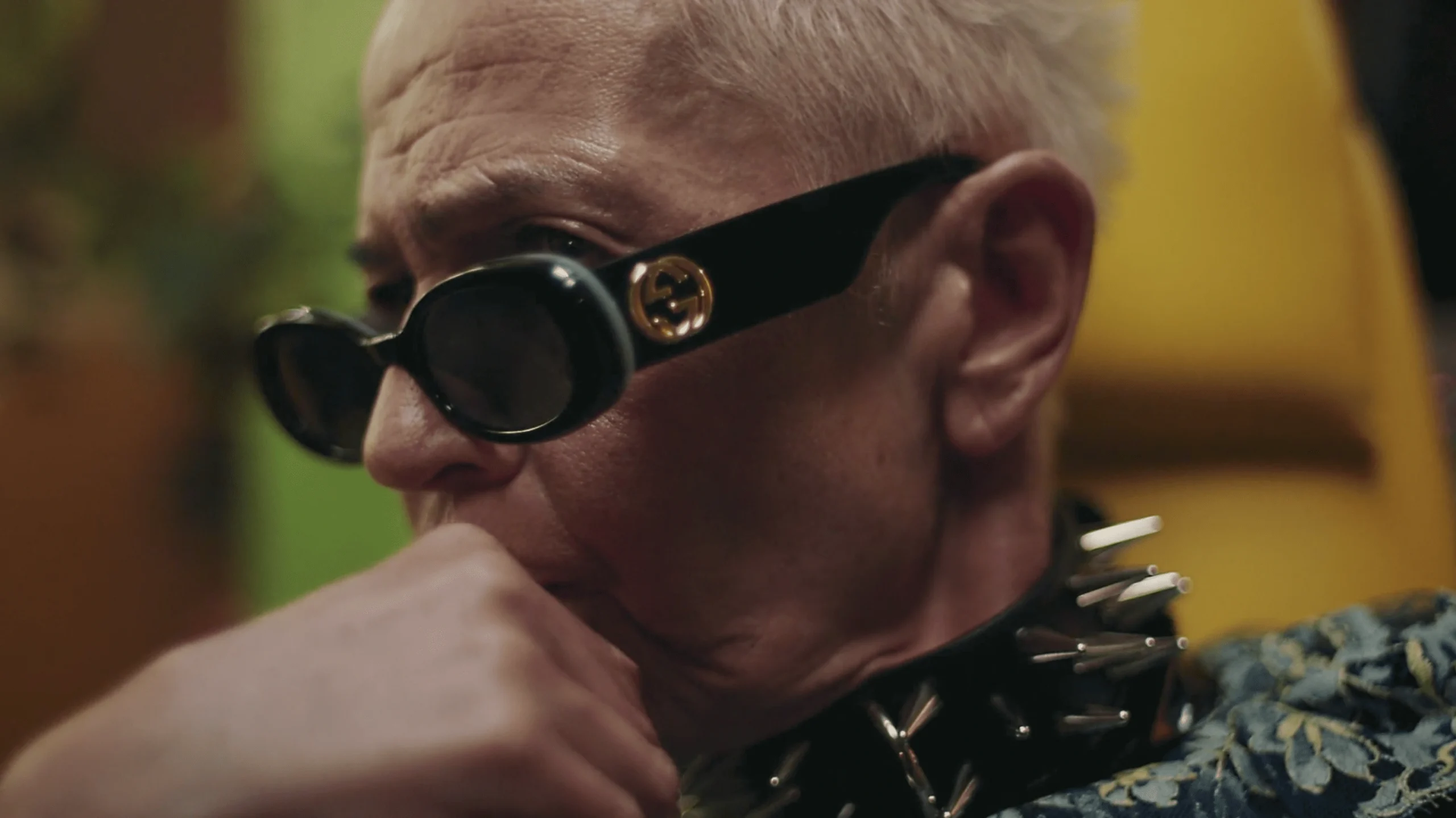

When people ask why we founded Baltic Talent, the answer always lands the same way. 🧶
We understand how films, series, fashion campaigns, and commercials actually get made — how many people, and how much time, money, and energy, go into the 90 minutes you watch, the season you binge in a night, or the 30-second clip that sells a collection. But what stays with an audience is the story, the mood, the performance. If it doesn’t hit you in the right moment, it disappears like mist.
A film or a fashion film is a mosaic of a thousand pieces: sound, editing, production design, cinematography, colour, the choice of angle. Done right, you never see the pieces — you’re simply pulled into the world. And that’s exactly the problem: the better the work, the more invisible the people behind it become.
We think that’s backwards. The people who make that invisibility possible deserve to be seen, celebrated, and given room to grow — not quietly passed around as an industry secret because they’re not well known yet.
The same blind spot, on the runway and on set
It’s the same story on a runway as on a film set. A Prada or Balenciaga campaign is its own mosaic — the photographer’s eye, the styling, the casting, the art direction — and the name people remember is the brand’s, rarely the creative who shaped how it looked. Film and fashion overlook the same people for the same reason: the work is invisible exactly when it’s done right.
So what’s actually hardest about winning international work for talent who already have the proof — Sundance credits, major fashion-house campaigns, festival premieres?
We remember the exact meeting where it clicked. A client asked us directly: what’s the hardest part of representing Baltic creatives? We explained, and he understood at once — because it isn’t a Baltic problem. It’s an industry problem.
Long before Baltic Talent, working as producers, we saw the same thing on repeat: when you need someone for a job, you go hunting for recommendations. Everyone already seemed to know each other, and we didn’t — a closed circle, getting work through channels we couldn’t quite see. Over the years we built our own network and learned to expand it. Talking to talents and clients since, we’ve realised the feeling isn’t ours alone, or the Baltics’ alone. Everyone feels shut out of the room at some point. We just want to make that circle a little less closed.
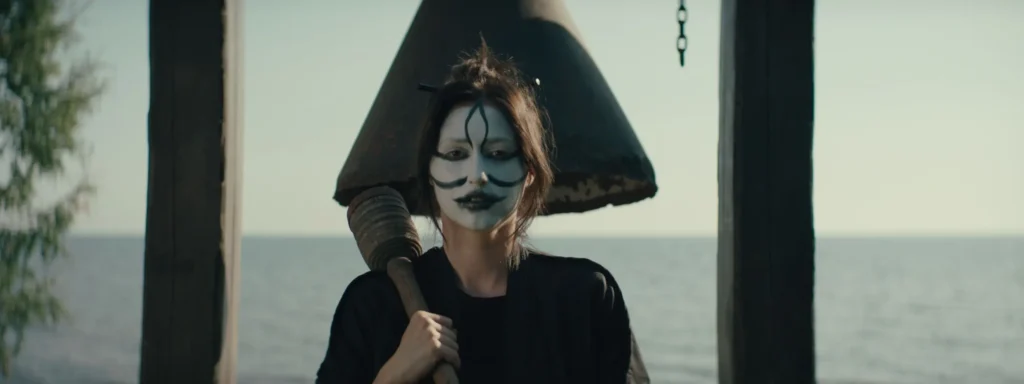
Four things that keep great creatives invisible
- Trust in the unknown. It’s easier to hire someone closer, someone the producer already knows — even if they’re less experienced. Familiarity feels safer than excellence.
- Lack of awareness. You can’t hire someone you don’t know exists. No amount of talent closes a visibility gap on its own.
- Misconceptions about the region. Few people know much about the Baltics, so they guess or assume rather than ask.
- The folder marked “comeback later.” Saved, starred, meant to call — and never did. Knowing someone exists isn’t the same as hiring them. Awareness without action changes nothing.
This is exactly where we work. Our international experience and cultural fluency exist to close that gap — to prove, concretely, that hiring a DOP, photographer, editor, costume or set designer from Lithuania, Latvia, or Estonia isn’t a risk but an advantage, whether the set is a film shoot or a fashion campaign. Trust, once earned, rewards both sides.
What surprised us
One thing genuinely surprised us: few agencies do this. We may be the first to represent top Baltic creative talent under a shared regional identity, not just as individual names. The subtler surprise was how few real spaces exist for our talents to meet new collaborators. DOP–director and director–editor relationships tend to run deep and last for years — a good thing — but it means those circles rarely open, and there’s far less structured networking for below-the-line talent than for producers, programmers, or sales agents. We think that’s worth fixing too.
We’ve already seen what happens when the door opens. In one meeting, a producer and director sat down with two of our talents to discuss a single project; by the time it ended, we walked out with two scripts, not one. People fall for our talents the moment they meet them — the knowledge, the passion for the craft. It’s impossible not to notice.
Our talent has already proven they belong on the world stage. Our job is to make sure the industry stops discovering that by accident.
We’re looking for curious opportunists — clients and creatives alike — who want to build something real with us. Not because it’s convenient, but because it’s good.